September 18, 2026
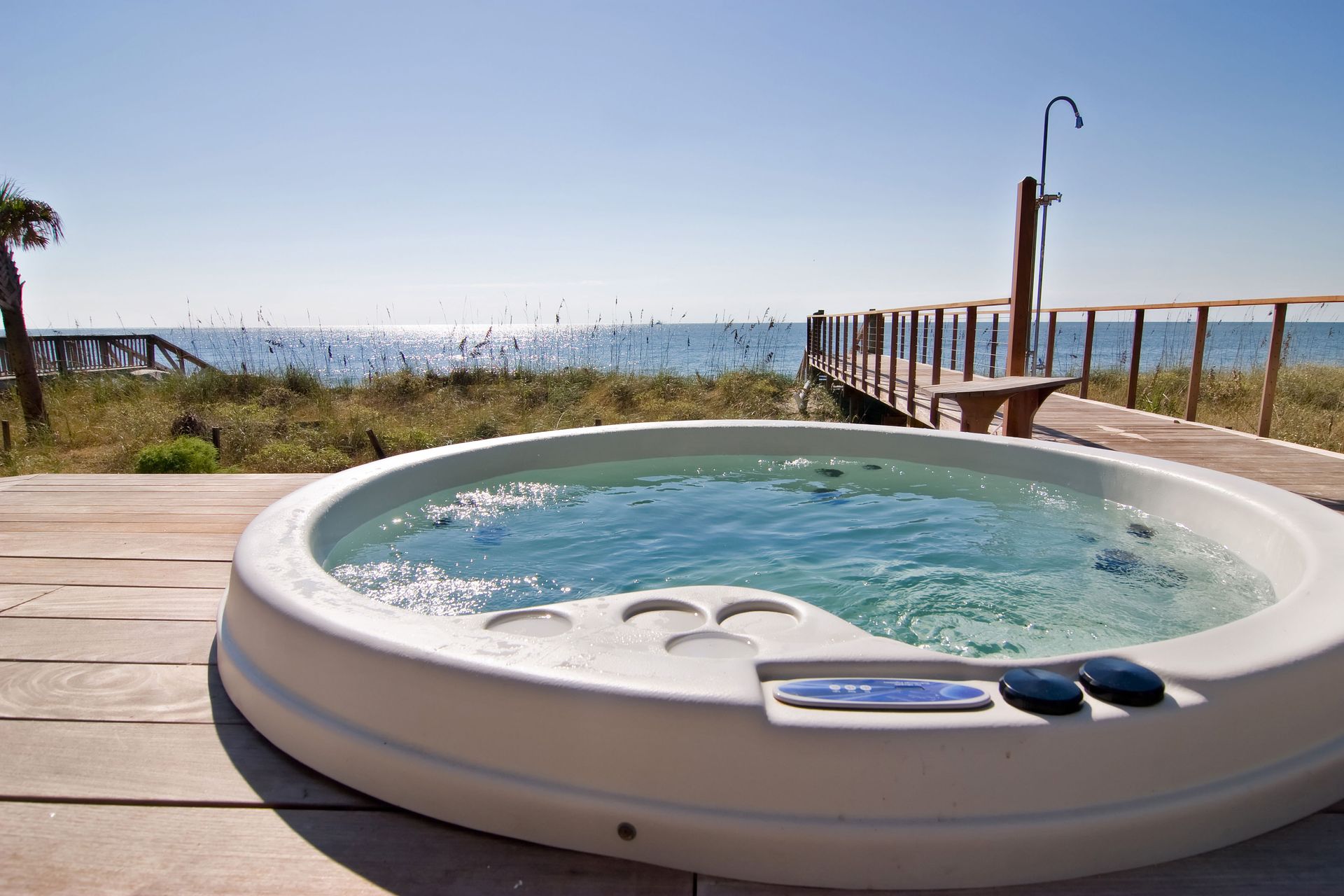
Warm-water hydrotherapy can turn a short part of the day into an opportunity to relax and step away from physical and mental tension. For people with occasional back discomfort or difficulty settling down at night, spending about 20 minutes in a hot tub may provide soothing warmth, buoyancy, and water movement. While hydrotherapy is not a cure for back pain or insomnia, it can be a comforting addition to a wellness routine. Setting aside this time regularly may also encourage people to be more intentional about relaxation rather than waiting until stress or physical tension becomes overwhelming.
According to Recreation Management, 39.1% of aquatic facility respondents reported having at least one spa or similar amenity in 2026, compared with 28.4% in 2025. At home, convenient access to warm-water relaxation can make restorative downtime easier to incorporate into a busy schedule. Having a dedicated place to unwind can also make relaxation feel like a natural part of everyday life instead of something reserved for vacations or occasional wellness visits.
Supporting Relaxation Through Warm Water
Encouraging Physical Relaxation
Warm water can help the body unwind after work, errands, exercise, or other activities. Heat can feel especially comforting around areas that carry everyday tension, creating an opportunity to relax without the usual distractions. The quiet environment can also encourage people to focus on how their body feels and allow themselves time to decompress.
Creating a Calming Routine
A brief hot tub session creates a defined period when phones, chores, work, and other demands can be set aside. This separation can be particularly appealing in the evening when transitioning from a busy day toward rest. Establishing a consistent routine can make relaxation easier to prioritize even during especially demanding weeks.
Providing Gentle Water Movement
Strategically positioned jets provide moving water around different areas of the body. Many people enjoy this sensation around the back and shoulders after prolonged sitting or physical activity. Combining this gentle movement with warm water can create a more complete relaxation experience than simply sitting quietly indoors.
Promoting Mental Downtime
Relaxation is not exclusively physical. Quiet time in warm water offers a mental break from responsibilities and stimulation, supporting an evening routine centered on comfort and preparation for rest.
Reducing Everyday Back Discomfort
Relieving Pressure Through Buoyancy
Water supports part of the body's weight, creating a different experience from sitting or standing. For someone dealing with everyday stiffness or fatigue, that supported feeling may make relaxation more comfortable. Buoyancy can also provide a welcome change after spending much of the day working at a desk or standing.
Soothing Tired Back Muscles
Work, exercise, commuting, and repetitive activities can leave muscles feeling tired. A hot tub provides an environment designed for soaking, allowing users to enjoy comforting warmth while resting against supportive seating.
Encouraging Comfortable Movement
Water can make gentle movement feel different because the body is partially supported. People with ongoing pain or medical conditions should discuss hydrotherapy with a qualified healthcare professional to determine whether it is appropriate.
Complementing Professional Care
Persistent or severe back pain deserves medical evaluation. Hydrotherapy should be viewed as a potential comfort measure rather than a replacement for diagnosis, physical therapy, medication, or other recommended treatments.
Creating a Better Transition Toward Sleep
Separating Daytime From Bedtime
Many people move directly from work, household responsibilities, or electronic devices into bed. Relaxing briefly in a hot tub can create a distinct wind-down period that separates daytime demands from bedtime. This intentional transition may make the evening feel less rushed and provide valuable time to mentally disengage from the day's responsibilities.
Reducing Evening Tension
Physical tension can make settling down difficult. Warm water provides a quiet environment for releasing some of the day's stress. Relaxation does not guarantee sleep, but it may create conditions some people find more comfortable for winding down.
Establishing Consistent Downtime
A predictable 20-minute hydrotherapy session can provide structure without consuming the entire evening. This manageable amount of time can fit around family, work, and household responsibilities.
Recognizing Persistent Sleep Problems
Insomnia is a medical condition that a spa cannot cure. Anyone experiencing persistent sleep difficulties should consult a healthcare professional. Hydrotherapy may promote relaxation, but appropriate medical guidance remains important for frequent or disruptive sleep problems.
Making Relaxation Easier to Prioritize
Keeping Wellness Close to Home
One advantage of owning a spa is convenience. Having a hot tub at home makes it easier to incorporate hydrotherapy into an established routine without planning a separate outing.
Fitting Relaxation Into Busy Schedules
Wellness routines can be difficult to maintain when they require significant time. Twenty minutes provides a manageable opportunity to step away from work, responsibilities, and screens while enjoying a quieter environment. Because the experience is available at home, homeowners can enjoy it when their schedules allow rather than coordinating travel or appointments.
Creating Personal Quiet Time
A quiet soak can provide time to reflect, relax, or enjoy being outdoors. This makes hydrotherapy valuable beyond its physical sensations by creating an intentional pause in a crowded schedule.
Sharing Relaxation With Others
Hydrotherapy can also be social. Couples and family members may enjoy quiet time together without everyday distractions, allowing a spa to serve as both a personal wellness feature and a gathering space.
Combining Heat, Water, and Jet Comfort
Experiencing Consistent Warmth
A spa surrounds much of the body with comfortably heated water. Unlike localized warmth, immersion creates a more encompassing experience. This consistent warmth is one reason a hot tub can feel inviting after physical activity or a demanding day.
Targeting Comfortable Areas
Different spa configurations offer different jet arrangements and seating positions. These features influence where users experience water movement, making product selection important for homeowners with particular comfort preferences. Exploring different configurations can help buyers identify features that align with how they expect to use their spa most often.
Choosing Supportive Seating
Seat depth, shape, jet placement, and spa dimensions can affect comfort. Comparing models helps homeowners find a configuration suited to their household, available space, and preferred relaxation experience.
Enjoying a Complete Experience
Warmth, buoyancy, water movement, and seating work together to create the hydrotherapy experience. A well-selected hot tub provides a dedicated environment for intentionally relaxing and stepping away from everyday demands.
Building a Sustainable Wellness Routine
Creating Realistic Expectations
Hydrotherapy is most useful when its benefits are understood realistically. Warm-water soaking can be relaxing and soothing, but it should not be expected to heal injuries or resolve medical sleep disorders.
Practicing Appropriate Spa Use
Water temperature, soaking time, medications, pregnancy, cardiovascular conditions, and other health considerations can affect whether spa use is appropriate. Anyone with relevant concerns should seek personalized guidance from a healthcare professional.
Making Relaxation Consistent
A home hot tub means relaxation does not need to be reserved for vacations. When appropriate, a short soak can become a recurring opportunity to slow down and create separation between demanding activities and restorative personal time.
Supporting Long-Term Enjoyment
A spa can also enhance how homeowners use their outdoor living space. Selecting an appropriate model and maintaining professional care can support years of relaxation, recreation, and social connection. A thoughtfully selected spa can become a familiar part of the household's routine while adding another comfortable way to enjoy the backyard throughout the year.
A 20-minute hydrotherapy session does not heal back pain or cure insomnia, but warm-water soaking can create a soothing environment that supports relaxation. Warmth, buoyancy, water movement, and intentional downtime can work together to provide a restorative experience that fits conveniently into an evening routine.
Choosing the right spa is equally important. Seating, dimensions, jets, and comfort preferences can influence the experience. People managing chronic back pain, persistent insomnia, or other medical concerns should continue working with healthcare professionals and consider hydrotherapy a possible complement to appropriate care.
If you're ready to create a relaxing hydrotherapy experience at home, contact Yorktown Pools & Spas today. Our team can help you explore hot tub options that fit your space, comfort preferences, and lifestyle.