October 29, 2026
Selecting the ideal swimming pool for your backyard involves weighing initial costs against performance and overall lifespan. As outdoor living technology advances, homeowners frequently compare fiberglass and vinyl liners. Both materials offer distinct advantages, yet their ability to withstand environmental stress, chemical exposure, and physical wear varies over time. Partnering with established in ground pool companies helps property owners navigate structural differences to select a pool style aligning with their lifestyle goals. Understanding how these options handle real-world wear reveals which choice delivers superior resilience for your home. Exploring structural capabilities, surface finishes, and routine upkeep demands clarifies which material leads modern durability standards.
Understanding the Core Structural Differences of Fiberglass and Vinyl Shells
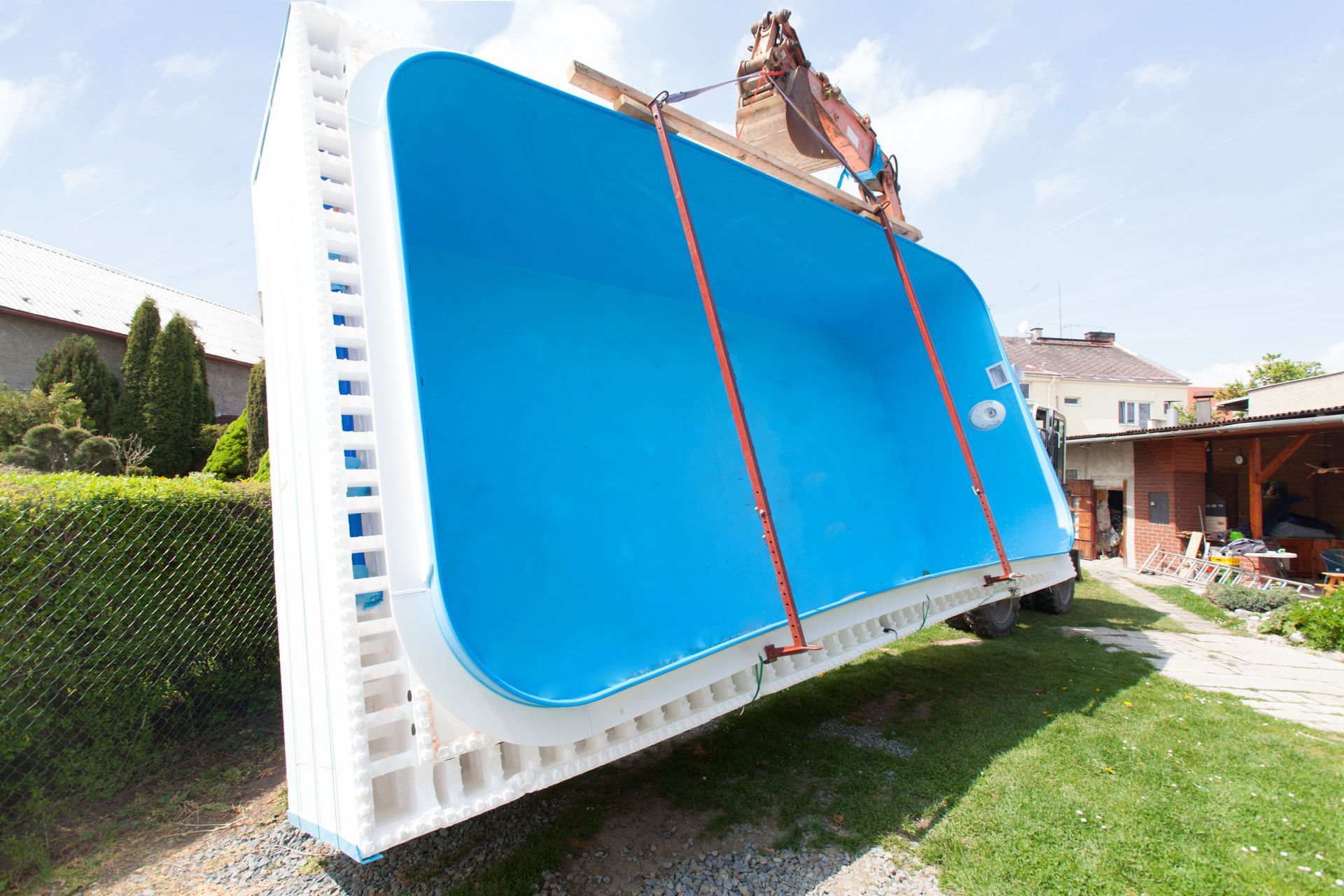
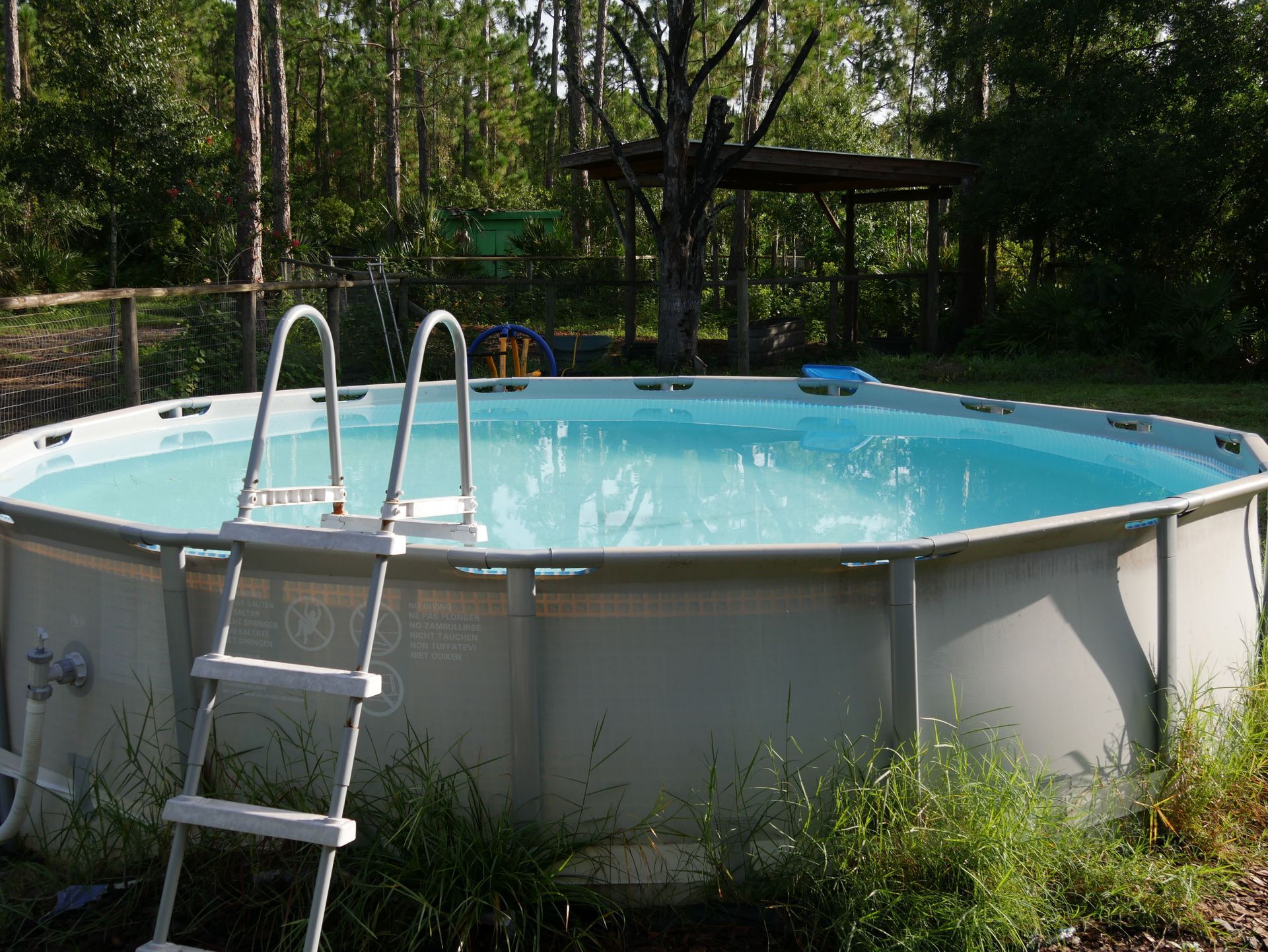
The engineering of a swimming pool dictates how well the structure withstands ground movement, freeze-thaw cycles, and water weight. Fiberglass units are constructed off-site as a solid composite shell layered with glass fibers and resins. This manufacturing method gives the shell flexibility to adapt to soil shifts without cracking. Vinyl liner pools rely on a structural framework built from steel, polymer, or aluminum panels, topped with a flexible vinyl membrane. Experienced in ground pool companies assemble these wall panels on-site before custom-fitting the liner over a sand base. While both systems contain water, their underlying frameworks create different structural performance over years of use.
Evaluating Surface Resilience Against Scrapes and Tears
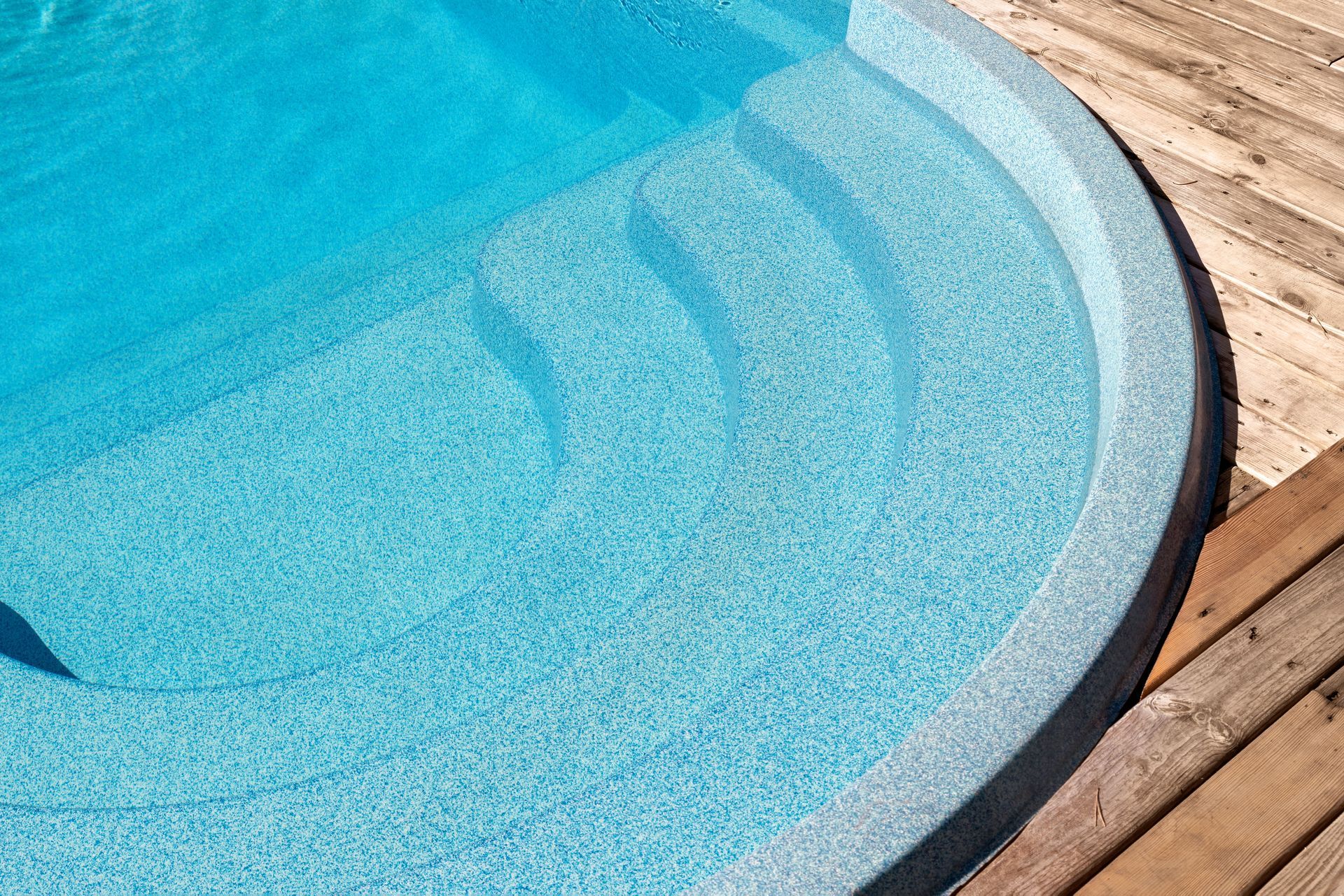
Surface durability plays a primary role in maintaining aesthetic appeal and functional integrity under daily use. Fiberglass pools feature a non-porous gelcoat finish forming a hard barrier against damage. This smooth coating resists scratches from pool toys and automatic vacuum units under normal conditions. In contrast, vinyl liners present a softer surface that provides a comfortable texture underfoot but remains susceptible to physical punctures. Sharp objects or untrimmed pet nails can snag or tear vinyl fabric, causing leaks that require patch repairs. Consulting local in ground pool companies allows homeowners to assess household activity levels and choose a surface material capable of handling daily use.
Analyzing Resistance to Algae Growth and Chemical Wear
Chemical balance and sanitation affect internal pool surfaces, requiring materials that resist etching, staining, and organic growth. The smooth gelcoat layer on fiberglass prevents algae spores from embedding into walls, reducing scrubbing and sanitizing chemicals needed to maintain clear water. Vinyl liners also feature a non-porous surface that inhibits algae attachment, though weathered vinyl can trap fine debris over time. Chemical imbalances or chlorine shock treatments can cause vinyl colors to fade, while fiberglass finishes maintain pigmentation longer under similar conditions. Reputable in ground pool companies provide detailed chemical guidelines to help pool owners protect their investment regardless of the shell material selected.
Navigating Climate Extremes and Soil Movement
Regional climate variations, fluctuating water tables, and temperature swings exert physical forces on underground pool structures. In regions with freezing winter temperatures, groundwater expansion puts hydrostatic pressure on buried walls. According to Fox Homes Team, there are an estimated 10.7 million swimming pools in the United States as of 2026. This vast number of installations across diverse climate zones underscores the importance of choosing a design capable of withstanding local soil conditions. Fiberglass shells possess natural flexural strength that allows the structure to expand and contract with ground movements without sustaining fractures. Vinyl panel walls offer similar structural tolerance, though rising groundwater behind a liner can cause floating if drainage systems are not properly integrated by experienced in ground pool companies during setup.
Calculating Long-Term Maintenance and Upkeep Requirements
Ongoing maintenance effort and financial outlay represent critical factors in determining long-term satisfaction. Fiberglass pools require fewer chemical additions and shorter pump filtration cycles due to their smooth, non-reactive interior gelcoat. This low-maintenance profile translates to reduced weekly labor and lower operating costs. Vinyl liners demand careful monitoring of water chemistry to prevent chemical degradation and premature aging of the material. Additionally, vinyl liners require systematic brushing around seam lines to prevent grime accumulation over seasons of use. Seeking guidance from established in ground pool companies helps homeowners calculate prospective maintenance schedules and long-term costs before finalizing a design choice.
Reviewing Expected Lifespans and Component Replacements
Comparing the overall lifespan of key components provides clear insight into long-term value. A well-manufactured fiberglass shell can easily last fifty years or more, with its original gelcoat finish remaining intact for decades before requiring resurfacing. Vinyl liners carry a finite operational lifespan typically ranging between seven and twelve years depending on sun exposure and water care. Replacing a worn vinyl liner involves draining the pool, measuring custom dimensions, removing the degraded material, and installing a new liner underneath the coping. Knowledgeable in ground pool companies guide clients through these replacement cycles so property owners can plan financially for upcoming maintenance milestones.
Examining Installation Speed and Site Impact
The time required to complete a pool installation impacts your landscape and the structural integrity of surrounding soil. Because fiberglass pools arrive as pre-formed, factory-built shells, installation occurs rapidly, often placing a finished structure in the ground within days. Rapid installation minimizes the duration that excavated dirt and open trenches remain exposed to sudden rainfall or soil collapse. Vinyl liner installations involve more extensive on-site assembly, including wall panel alignment, bottom floor shaping, and precision liner fitting. Professional in ground pool companies manage these construction steps efficiently to ensure that surrounding soil remains stable and properly compacted throughout the building process.
Comparing Design Flexibility and Customization Capabilities
Homeowners seeking specific pool dimensions, deep-end configurations, or water features must consider how material choice impacts design freedom. Fiberglass pools are cast from pre-designed factory molds, meaning shapes, entry steps, and tanning ledges are fixed within catalog options. While manufacturers offer dozens of popular shapes, maximum shell width is limited by transport regulations. Vinyl liner pools offer extensive design customization, allowing homeowners to order custom wall shapes, unique depths, and tailored entry steps to fit unusual yard layouts. Custom-focused in ground pool companies utilize vinyl's structural versatility to engineer aquatic environments that accommodate complex landscape topographies.
Evaluating Total Cost of Ownership Across Decades
Understanding the true financial commitment of pool ownership requires looking beyond initial installation pricing to analyze long-term operational expenses. Vinyl liner pools feature a lower initial purchase price, making them an attractive option for budget-conscious families looking to maximize immediate fun. However, the recurring cost of replacing vinyl liners every decade, combined with higher chemical consumption over time, raises cumulative expenses. Fiberglass pools require a higher initial investment due to manufacturing and shipping costs, but minimal maintenance demands and lack of liner replacement expenses create long-term savings. Leading in ground pool companies assist homeowners in conducting comprehensive lifetime cost analyses to match individual budget parameters.
Determining Impact on Overall Property Resale Value
Adding an in-ground swimming pool alters property appeal and influences overall real estate valuation when selling a home. Potential buyers evaluate prospective pool homes based on perceived future maintenance burdens and upcoming repair costs. A fiberglass pool often appeals strongly to prospective buyers due to its reputation for effortless upkeep and long-lasting structural reliability. A vinyl pool also adds substantial recreational value to a home, though prospective buyers may inquire about the age of the current liner and factor replacement costs into their purchase offers. Partnering with reputable in ground pool companies ensures that whichever pool style you choose is installed according to high structural standards, protecting your home's marketability.
Both fiberglass and vinyl liner pools deliver fantastic recreational value, transforming outdoor living spaces into beautiful retreats for family and friends. While vinyl pools offer lower upfront costs and flexible design customization, fiberglass emerges as the clear winner in durability tests thanks to its incredible strength, low maintenance demands, and decade-spanning gelcoat finish. Selecting the right option comes down to balancing your immediate budget, aesthetic preferences, and desired level of ongoing maintenance. Working alongside knowledgeable professionals ensures your new pool is engineered for decades of enjoyment. Contact Yorktown Pools & Spas today to consult with experienced swimming pool contractors and start planning the perfect backyard oasis for your home.