July 28, 2026
The dream of owning a backyard swimming pool is a classic cornerstone of homeownership. Having a private aquatic retreat offers an escape from summer heat, a hub for family gatherings, and a peaceful sanctuary for morning exercise or evening relaxation. However, once you make the exciting decision to add a pool to your property, you are immediately confronted with a major structural crossroad: should you choose an in-ground or an above-ground model?
Selecting a pool style requires balancing your current budget, the layout of your land, your aesthetic goals, and how much time and energy you want to spend on maintenance. To give you some perspective on what your fellow homeowners choose, the market leans toward permanent installations. According to Pool Guard USA, 59% of residential pools in the United States are in-ground models. The remaining 41% consists of above-ground options, showing that both choices have a massive, dedicated following. As property development trends shift toward maximizing functional outdoor living spaces, pools are no longer viewed as mere swimming basins. Instead, they are treated as central design features around which entire backyard architectural layouts are planned.
To help you figure out which camp you belong in, let us break down how these two pool styles compare across several critical categories: cost, installation, aesthetics, durability, and maintenance.
Upfront Costs and Value
For most families, the decision-making process begins with the financial ledger. There is a noticeable price gap between surface-mounted pools and buried installations.
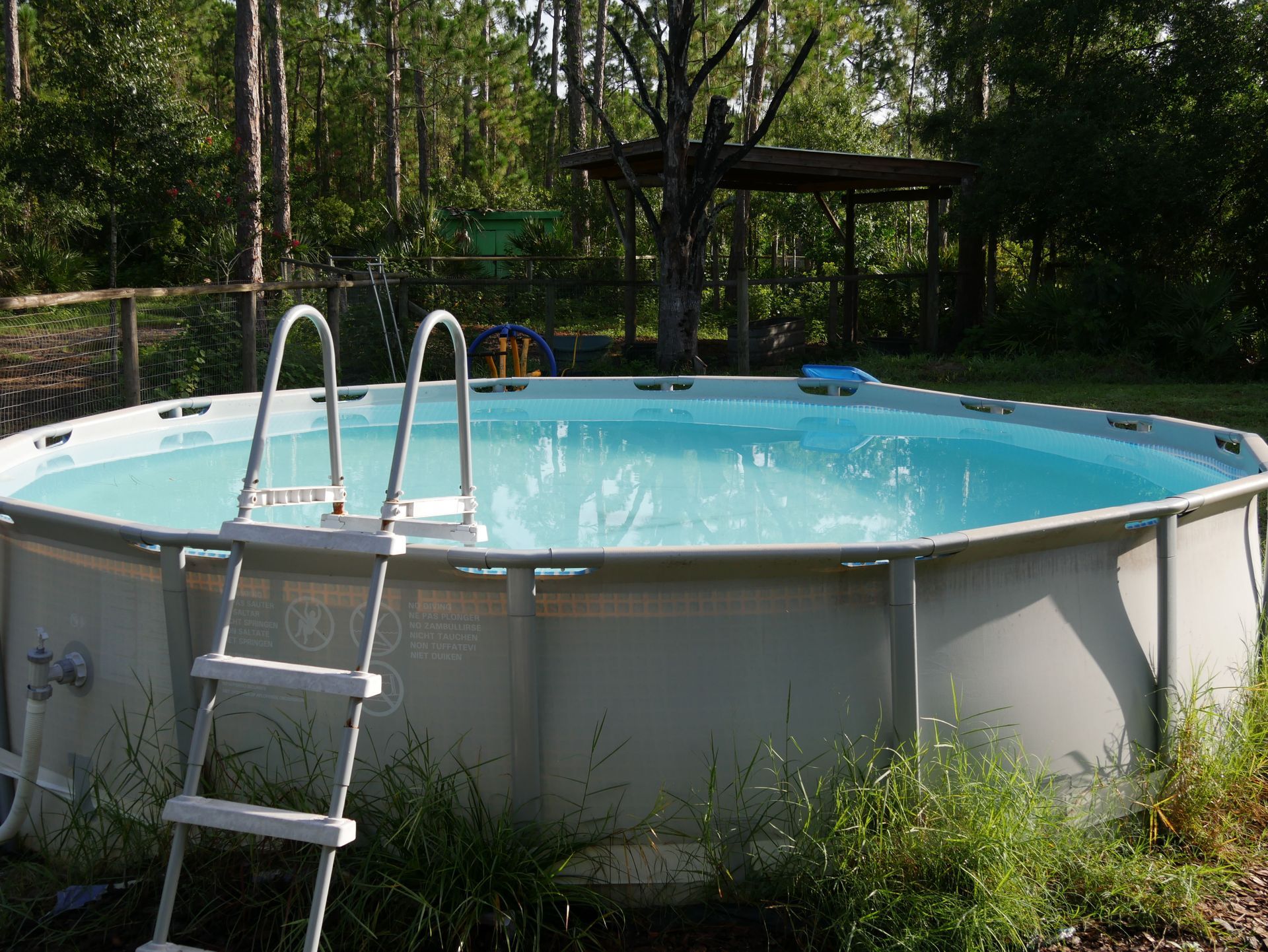
Above-ground pools are highly accessible in terms of affordability. A standard above-ground pool kit, complete with a frame, a pump, a filtration system, and a ladder, represents a lower barrier to entry. This makes above-ground models popular for families who want immediate summer fun without taking on major financial commitments.
Conversely, traditional in ground pools are substantial capital investments. Because they require heavy machinery excavation, steel reinforcement, customized plumbing networks, and expansive decking, prices are significantly higher. This higher entry point often requires specialized financing or substantial upfront equity allocation. However, the investment directly transforms the underlying land from raw yard space into a highly developed real estate asset.
From a real estate perspective, in ground pools act as permanent property improvements that add actual equity to your home. Above-ground pools are legally viewed as personal property—much like patio furniture or a trampoline—meaning they do not add to your home's appraised financial value when it comes time to sell.
The Installation Process and Timeline
The installation timelines for these two pool styles are entirely different.
An above-ground pool can often be fully installed and filled with water in a matter of days. Once a flat, level plot of land is prepared, the framing snaps together, the liner is smoothed out, and the hoses are connected to the pump. There is minimal disruption to your daily routine, and your backyard is back to normal almost immediately.
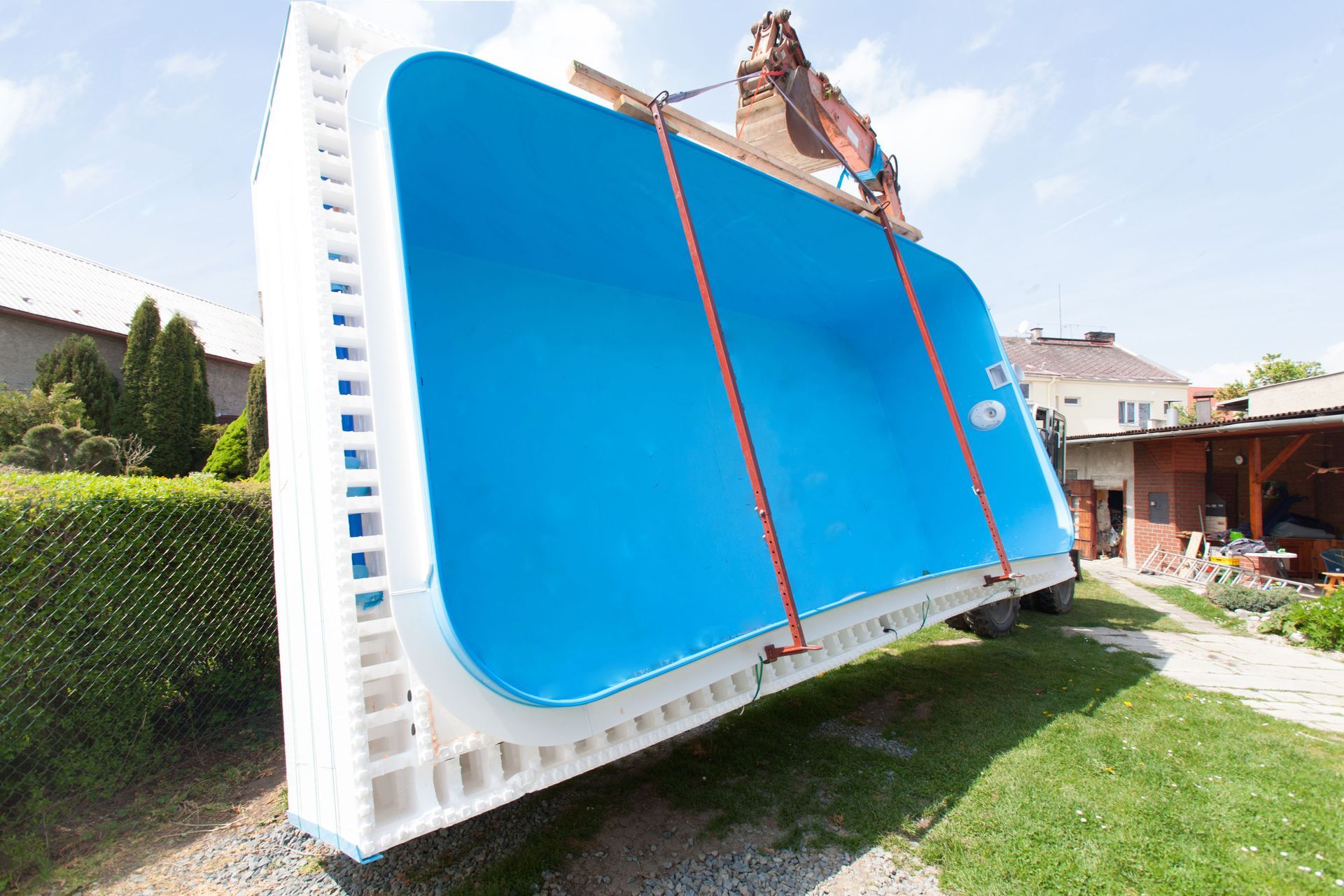
Installing a permanent pool, however, turns your backyard into an active construction zone for an extended period. Building in ground pools involves a complex, multi-stage process of engineering and permitting. First, heavy excavators must dig out the earth, which alters existing lawns and landscaping. Next comes the framing, structural plumbing, electrical wiring, and the pouring of concrete or placement of a fiberglass shell. Finally, the surrounding patio or deck must be constructed, making the process much longer depending on weather conditions and local municipal inspections. Property owners must also prepare for heavy foot traffic and utility disruptions during this build phase. Navigating regional building permits and zoning laws can add administrative weeks to the timeline before a single shovel touches the dirt.
Aesthetics and Customization
If you have a specific architectural vision for your backyard, customization options will play a massive role in your ultimate choice.
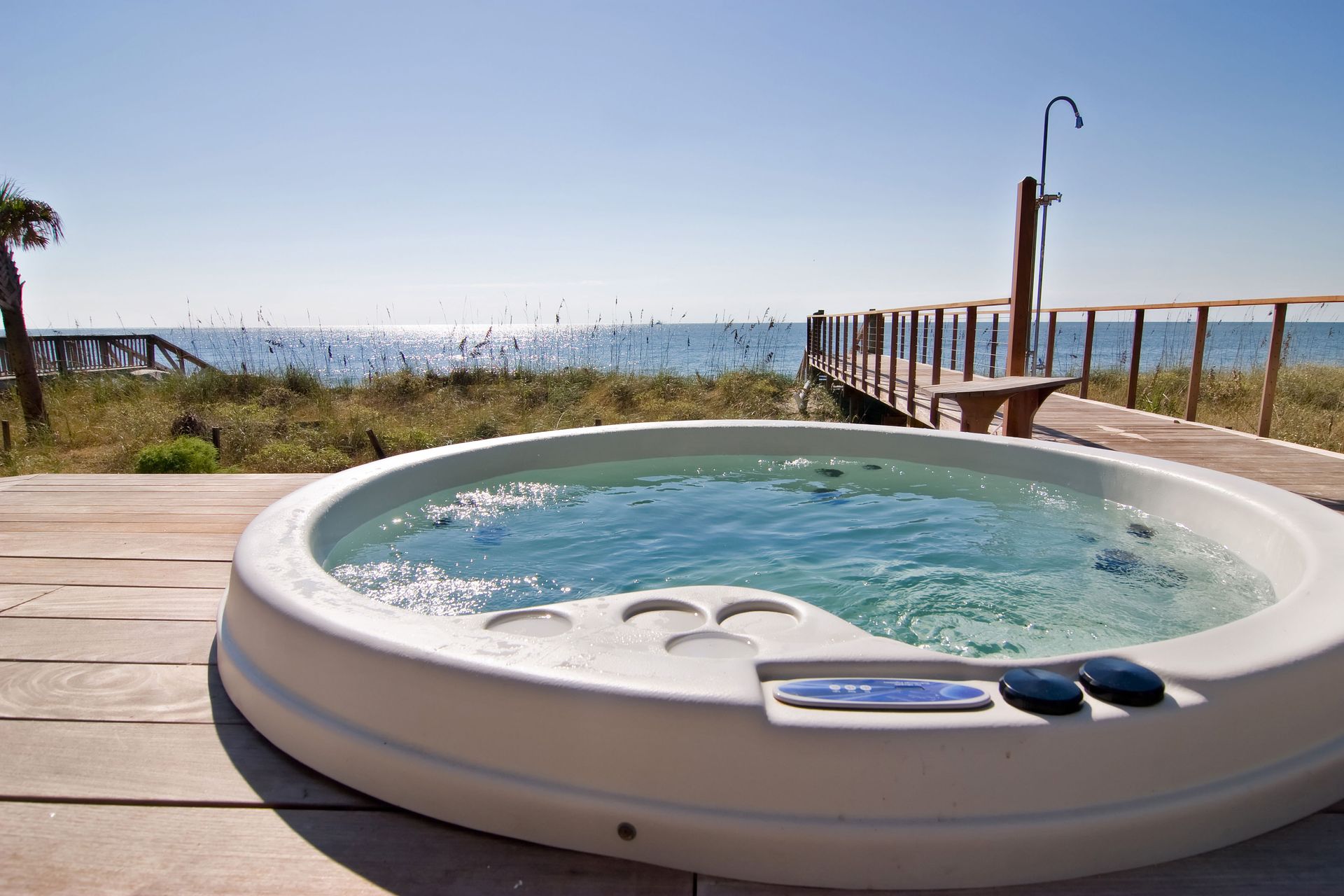
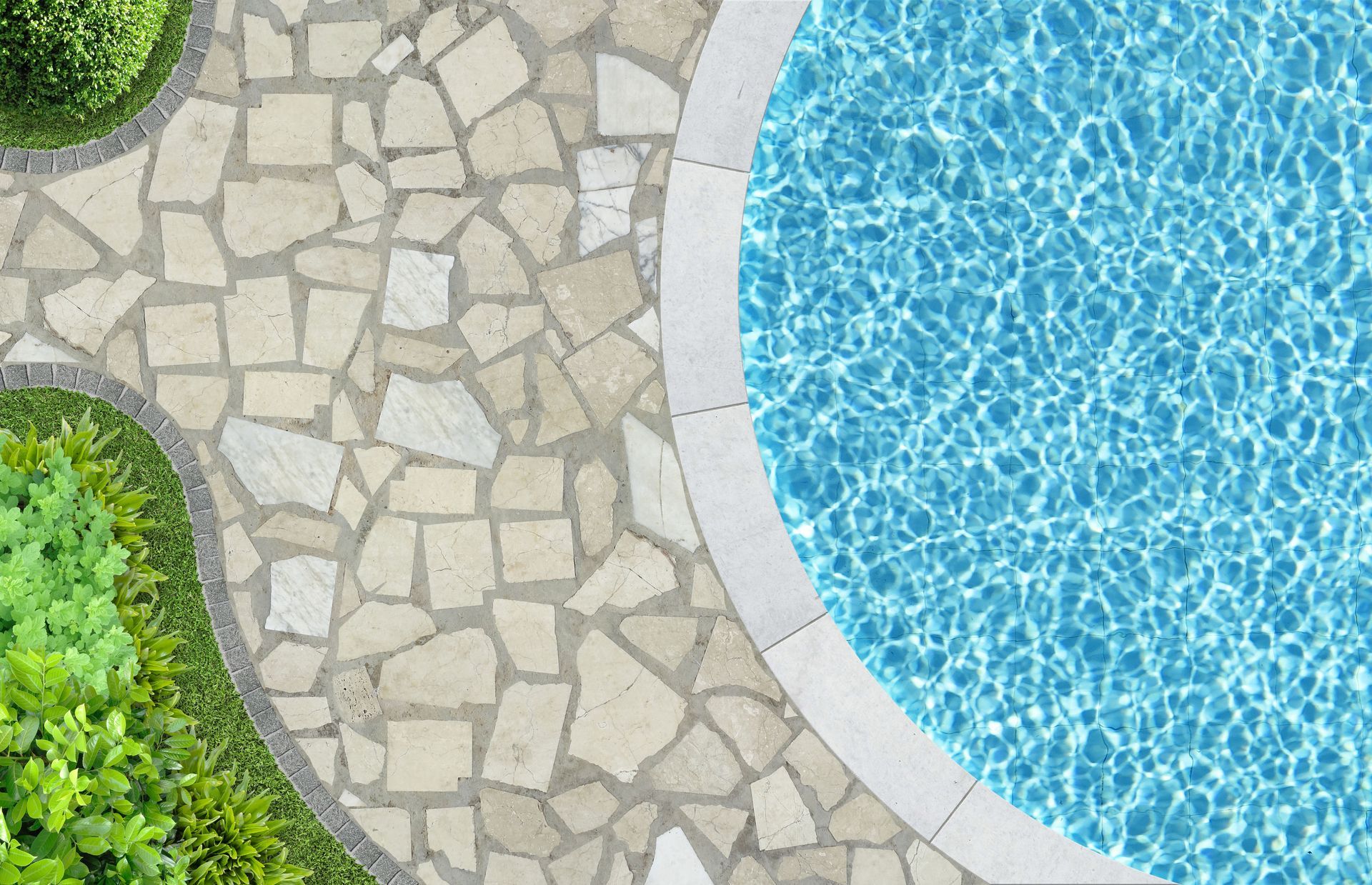
In ground pools offer limitless design flexibility. Because they are molded or poured directly into the earth, they can be customized into a wide variety of shapes, sizes, or depths. You can opt for a sleek geometric lap pool, a freeform lagoon style, or a modern infinity edge. Furthermore, you can integrate features like rock waterfalls, built-in hot tubs, tanning shelves, and lighting. They blend into your landscaping, creating a resort-like atmosphere that enhances your entire property's visual appeal. This flexibility extends to the physical materials used, allowing you to choose between smooth fiberglass, classic plaster, or intricate glass tiling. These choices allow the water feature to match the exact architectural style of your home, whether it is mid-century modern or traditional.
Above-ground pools are inherently more limited in shape and size, typically restricted to standard round, oval, or rectangular dimensions with uniform depths. Because the walls sit entirely above the turf, they can create a visual barrier in a smaller yard.
However, clever homeowners can easily elevate the look of an above-ground pool by building a custom wood or composite deck entirely around it. Wrapping the pool in a deck hides the outer walls and creates a transition that mimics the look and feel of a permanent setup at a lower cost.
Lifespan and Structural Durability
A swimming pool is exposed to harsh chemical treatments, intense sunlight, and freezing winter temperatures year after year. Understanding how well each material holds up over time is crucial.
Above-ground pools are generally considered temporary or semi-permanent structures. While a well-maintained above-ground pool frame can last for years, the vinyl liner will eventually need to be replaced due to sun exposure and wear. The thin metal or resin walls are also susceptible to denting or rusting if structural leaks are left unaddressed.
In contrast, professionally built in ground pools are engineered to last for generations. A high-quality fiberglass shell or a gunite structure is exceptionally durable. While concrete pools do require resurfacing or replastering periodically, the foundational shell remains perfectly intact underneath the earth. When you invest in an in-ground model, you are buying a permanent landmark for your estate. This structural permanence means the pool can withstand severe weather events far better than above-ground alternatives. It effectively becomes a foundational part of the property's civil infrastructure.
Maintenance and Operating Expenses
Regardless of the style you choose, keeping pool water clean and safe for swimming requires consistent operational effort and chemical management.
Because above-ground models hold a smaller volume of water, they generally require fewer chemical treatments and consume less electricity to run their filtration pumps. Sweeping and skimming the pool is also straightforward due to the compact footprint.
In ground pools require more robust maintenance routines because their larger water capacities demand more chemicals. Their pumps must run regularly to properly circulate the water, which impacts utility usage.
However, modern technology has reduced the physical labor required for permanent pools. Homeowners can install systems that automatically balance the water or buy robotic pool cleaners that independently scrub the floor and walls. Additionally, opting for smooth fiberglass in ground pools naturally resists algae growth better than traditional plaster or vinyl, reducing overall chemical demands. Automated covers can also be integrated directly into permanent pool decks, keeping debris out and drastically lowering heat loss. These integrated systems turn what used to be a grueling weekend chore into a highly streamlined process.
The Verdict: Which Pool Wins?
The choice between these two pool styles depends entirely on your family's financial priorities, geographic location, and current needs.
An above-ground pool is an excellent choice if you want to maximize your immediate summer fun while minimizing upfront financial risk. It is ideal for families with young children who want a safe, uniform depth, renters who want a removable structure, or budget-conscious homeowners who prefer to keep their capital liquid for other home improvements.
An in-ground pool is the definitive winner if you view your home as a long-term investment and want to maximize your property's equity, curb appeal, and resale value. If you live in a warm climate where the swimming season lasts for a significant portion of the year, investing in premium in ground pools will transform your backyard into an elegant, high-end entertainment paradise that your family can enjoy safely for decades to come.
Both options have the power to completely transform your summers, but a successful build requires expert design guidance, quality equipment, and professional execution. Reach out to the outdoor living experts at Yorktown Pools & Spas today to explore your choices, design your ideal water feature, and bring your dream backyard oasis to life.