June 1, 2026
The journey of transforming a backyard into a luxurious personal oasis is an exciting venture that requires careful planning, skilled execution, and professional oversight. Enhancing a property with a beautifully crafted aquatic retreat not only elevates the visual appeal of the estate but also creates a dedicated space for relaxation, exercise, and social gatherings. Navigating the complexities of this major home improvement project involves understanding a wide array of choices, from initial concepts to final regulatory approvals. By understanding the multi-step progression required for a successful installation, property owners can approach the development with confidence and clarity.
Engaging with a premier in-ground pool company from the very beginning ensures that every technical specification, aesthetic detail, and safety standard is met with precision. Experienced specialists provide the necessary leadership to coordinate various stages of development, keeping the project on schedule and within budget. A comprehensive understanding of the process allows homeowners to make informed decisions that align with their lifestyle preferences and structural requirements. This detailed guide explores each fundamental phase of construction, offering insights into how professionals turn architectural concepts into functional realities that withstand the test of time.
Assessing Materials and Structural Selections
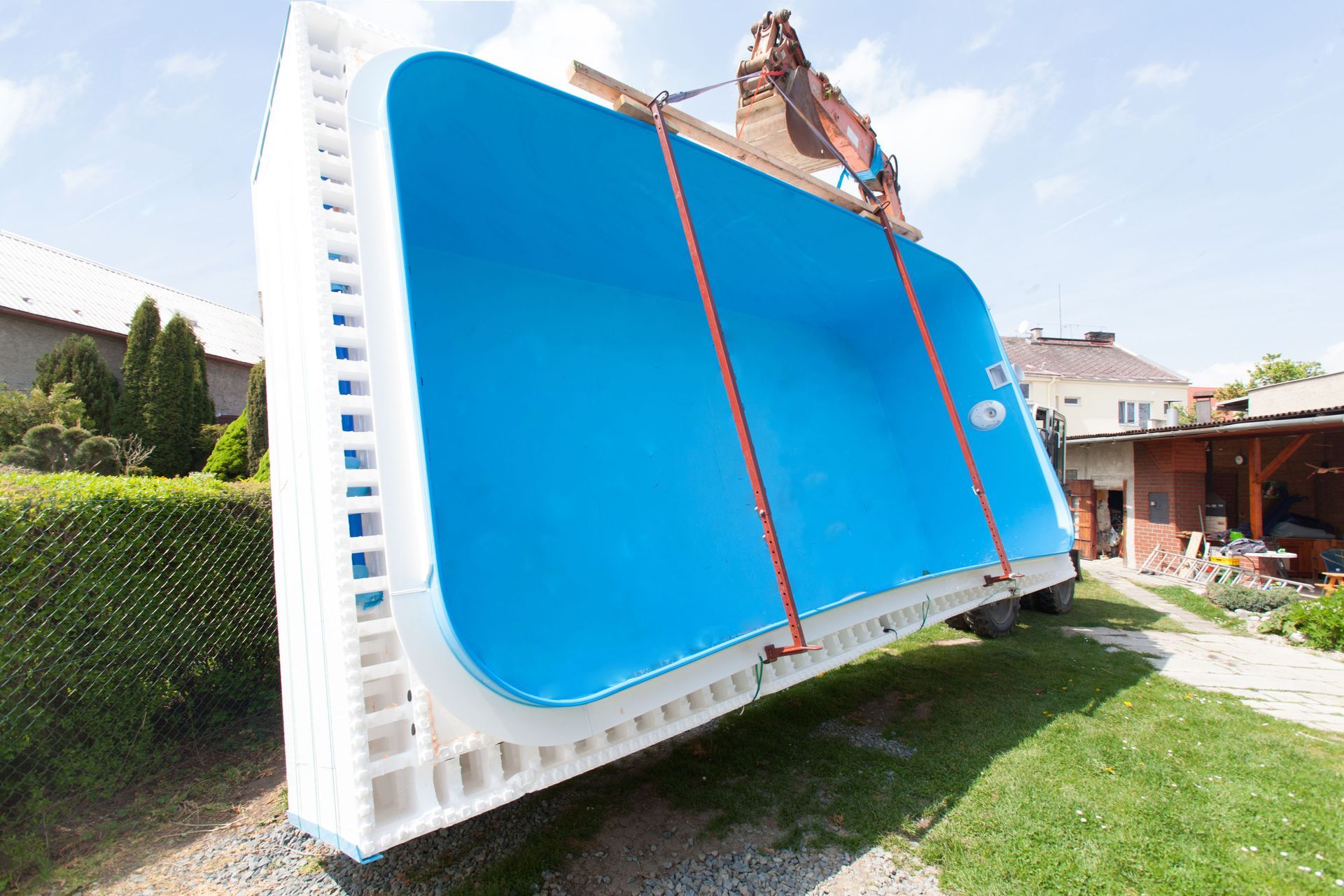
Selecting the foundational elements of an aquatic installation is a pivotal first step that dictates the longevity, maintenance requirements, and aesthetic potential of the feature. Property owners can choose from three primary construction types, including concrete, fiberglass, and vinyl liner options. Concrete structures offer unmatched design flexibility, allowing for completely custom shapes, depths, and integrated features like sun shelves or built-in seating. Fiberglass variants consist of pre-manufactured shells that arrive intact, providing a streamlined installation process and a smooth, non-porous surface that resists algae accumulation. An in-groound pool company will usually have vinyl alternatives to offer a balance of economic value and versatility, utilizing a custom-fit interior membrane over a supportive frame.
According to RubyHome, nearly 59% of residential pools are in-ground, highlighting their popularity. This statistic underscores the importance of selecting the right type and material for such a significant investment. Selecting the optimal substance involves analyzing local weather patterns, soil stability, and long-term operating costs. For example, specific climates may favor the flexibility of fiberglass, while others accommodate the permanent nature of masonry. A specialized in-ground pool company can provide invaluable guidance during this phase, evaluating the unique conditions of the property to recommend the most resilient option for the homeowner.
Preparing Sites and Legal Compliance
Before heavy machinery arrives at a residence, a thorough physical assessment of the terrain and an examination of municipal regulations must occur. Engineers and project managers evaluate soil composition, topography, subterranean water levels, and the presence of underground utility lines that could impact the structural design. Sloped landscapes or unstable soil varieties require specialized engineering solutions, such as retaining walls or advanced drainage systems, to protect the integrity of the future structure. Furthermore, accessibility for heavy construction equipment must be planned carefully to prevent unnecessary disruptions to surrounding property features.
Simultaneously, securing the proper municipal permits and adhering to local zoning ordinances is mandatory for a legally compliant installation. Regulations govern aspects such as setback distances from property lines, mandatory safety enclosures, utility connections, and environmental impact limitations. Navigating these bureaucratic processes involves compiling precise architectural drawings and submitting technical documentation to local authorities. Professionals manage these administrative tasks, ensuring that all components satisfy building codes and pass requisite inspections. This proactive diligence prevents costly regulatory delays and protects the long-term legal standing of the asset.
Coordinating Excavation and Safety Protocols
The physical transformation begins with the removal of earth to create the precise shape and depth required for the chosen structure. Heavy machinery operators use detailed survey markers to guide the excavation process, carefully digging out the earth while maintaining the structural stability of the surrounding ground. This phase requires meticulous precision to ensure that the dimensions perfectly match the engineering plans, preventing issues during subsequent construction phases. Managing the displaced soil is also a critical logistical component, requiring systematic removal or strategic redistribution across the landscape for future grading needs.
Safety remains the highest priority throughout this intensive phase, given the operation of heavy equipment and the creation of deep subterranean voids. Teams implement rigorous safety protocols, including the installation of temporary perimeter fencing, clear warning signage, and secure access points to protect workers and residents. Continuous monitoring of the open excavation site helps identify potential soil shifts or water intrusion immediately, allowing for rapid mitigation. By maintaining an organized and secure work environment, professionals ensure that the physical foundation of the project is established smoothly and without incident.
Installing Infrastructure and Core Framework
Once the excavation is complete, the focus shifts to creating the internal skeleton and hidden infrastructure that powers the entire system. Workers assemble a robust framework, often utilizing reinforced steel rebar grids, to provide the necessary tensile strength to withstand immense water pressure and shifting soil forces. This structural cage conforms exactly to the designed contours, serving as the backbone for the concrete or vinyl support systems. Precision leveling during this phase is mandatory, as even minor variances can affect water distribution and the functionality of perimeter skimmers.
In tandem with the framework, technicians install complex plumbing and electrical networks beneath the surface. High-grade piping is routed to accommodate water circulation, filtration, heating, and specialized features like therapeutic jets or waterfalls. Electrical conduits are securely laid to power underwater illumination, automated sanitizing units, and variable-speed circulation pumps. Every joint, connection, and conduit undergoes rigorous pressure testing and safety verification to guarantee leak-free performance and absolute electrical safety. This critical infrastructure remains concealed from view but dictates the overall efficiency and safety of the final installation.
Mastering Landscaping and Finishing Details
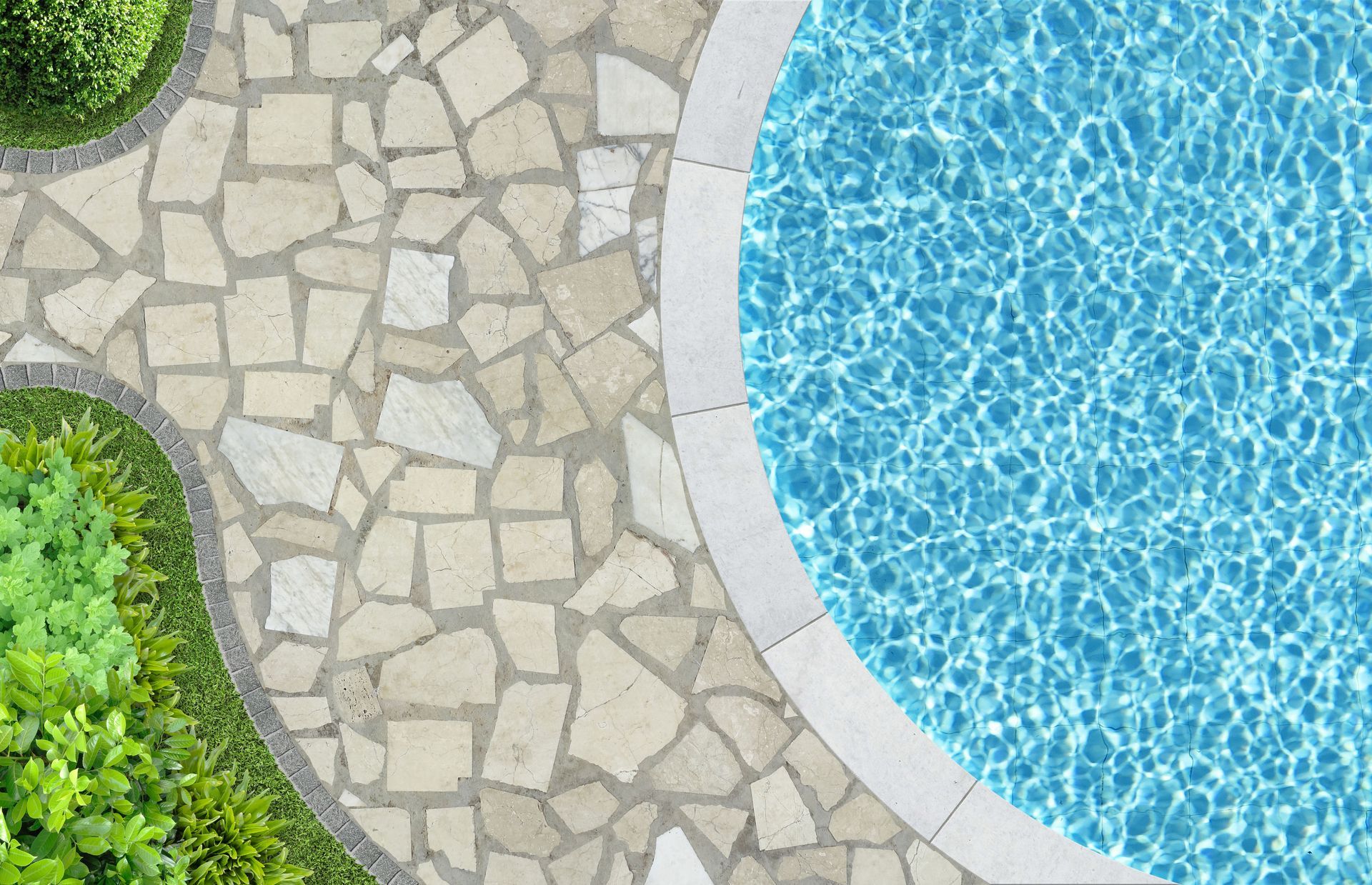
The final phase of construction elevates the structural shell into a breathtaking outdoor living area through custom decking and strategic vegetation placement. The selection of surround materials, such as natural stone pavers, stamped concrete, or resilient composite decking, defines the architectural style and safety of the perimeter. These materials must provide slip-resistant surfaces that remain comfortable underfoot during peak summer temperatures. Proper drainage integration around the deck area prevents rainwater runoff from introducing debris or chemicals into the clean water system.
Complementing the hardscape with expert landscaping completes the visual integration of the new feature into the existing environment. Professionals select flora that thrives in moisture-rich environments and possesses non-invasive root systems to protect underground utilities. Strategic positioning of privacy hedges, decorative grasses, and ornamental trees enhances the seclusion of the area while minimizing leaf debris accumulation. The addition of automated landscape lighting, outdoor kitchens, or fire elements creates a cohesive entertainment hub. This synthesis of engineering and artistry transforms a functional swimming area into an extraordinary backyard destination.
Embarking on the creation of a permanent outdoor retreat is a significant undertaking that yields immense rewards in property value, personal wellness, and lifestyle enhancement. From the initial conceptual blueprints and regulatory compliance to the technical execution of excavation, framing, and final artistic detailing, each phase demands professional expertise. Entrusting this complex transformation to a reputable
in-ground pool company guarantees that the final product is structurally sound, highly efficient, and beautifully aligned with the architectural heritage of the home. With meticulous attention to detail and expert craftsmanship, your dream backyard can seamlessly transition from a vision on paper into an enduring reality. Contact Yorktown Pools & Spas today to begin your consultation and take the first step toward your ultimate outdoor sanctuary.